Beginner Guide
Choosing the Right Bike for Countryside Riding
What features matter most when you're cycling gentle farm roads. We'll break down frame size, tire width, and comfort considerations.
Getting Started: The Basics Matter
Picking a bike isn't complicated once you understand what you're looking for. There's no single "best" bike — it depends on your body, your local roads, and how often you'll ride. We're talking about cycling the gentle farm routes around Cēsis and Āraišu, not racing or mountain biking. The good news? You don't need an expensive bike or anything fancy. You just need one that fits properly and won't leave your back screaming after 20 kilometers.
Most countryside cycling in Latvia happens on paved rural roads and well-maintained gravel paths. You'll encounter some gentle hills, long straightaways through farmland, and occasional rougher sections. Your bike needs to handle all of that comfortably. That's where the right frame size, tire choice, and riding position come into play. Let's break down each one.
Frame Size: The Foundation
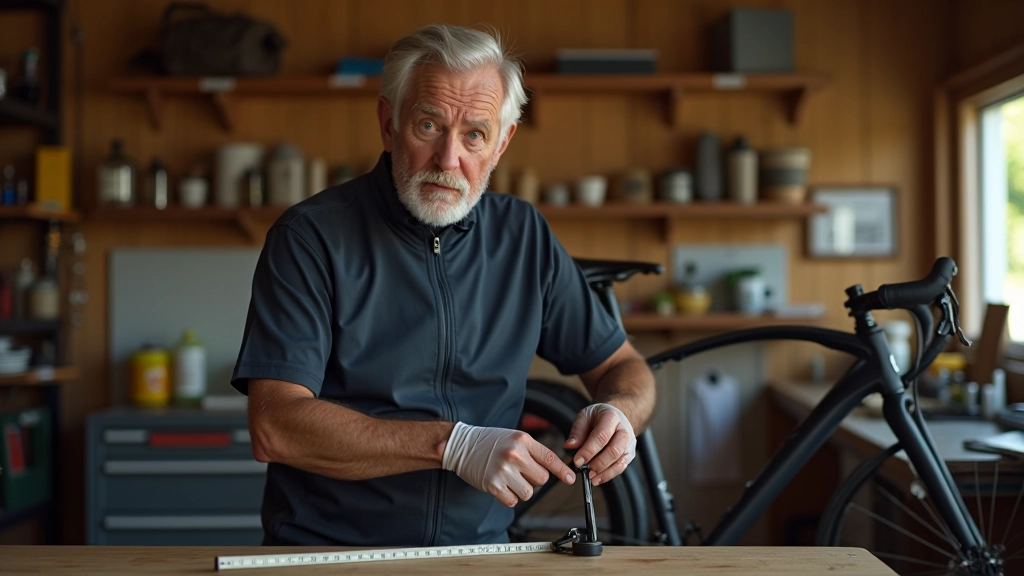
Frame size is everything. You can't ride comfortably on a bike that's too big or too small, and that's not something you adjust with seat height alone. A proper frame size means your legs extend fully but don't lock out at the pedal's lowest point. It means your arms aren't stretched too far or cramped too close to your body.
Here's how it works: stand over the frame with both feet flat on the ground. You should have about 2-3 centimeters of clearance between your body and the top tube. For countryside cycling, you'll want a slightly more upright position than a racing bike, so that small gap matters. Most rural bikes come in sizes measured in centimeters — a 52cm frame is different from a 56cm frame, and that difference absolutely shows once you're riding.
If you're between sizes, go smaller rather than larger. A smaller frame is easier to mount, safer when you're tired, and gives you more control on uneven surfaces. Plus, you can always raise the seat and adjust the handlebars to get the reach you need. You can't make a big frame smaller.
Quick tip: Most bike shops can measure you properly in about 10 minutes. It's worth doing this before you buy anything.
Tire Width: Comfort Over Speed
This is where a lot of people get it wrong. They see a racing bike with super-thin tires and think that's what they need for countryside riding. It's not. Thin tires are fast on perfectly smooth pavement. They're also harsh, unforgiving, and exhausting on long rides. You'll feel every pebble in the road.
For countryside routes, you want tires that are 28mm to 35mm wide. These widths give you real comfort without sacrificing speed. The difference is noticeable after about 15 kilometers — your hands stop tingling, your shoulders relax, and you actually enjoy the ride instead of just enduring it. Wider tires also roll better over rough patches and loose gravel, which you'll definitely encounter on rural roads.
Think about it this way: a 28mm tire costs almost nothing more than a 23mm tire, but it makes riding for 3-4 hours genuinely pleasant instead of uncomfortable. That's a bargain.
Note: This article provides general guidance on bike selection for countryside cycling. Individual needs vary based on fitness level, physical condition, and terrain preferences. We recommend consulting with a qualified bike shop staff member or cycling instructor before purchasing, especially if you have any existing joint or mobility concerns. They can assess your specific situation and make personalized recommendations.
Geometry and Riding Position
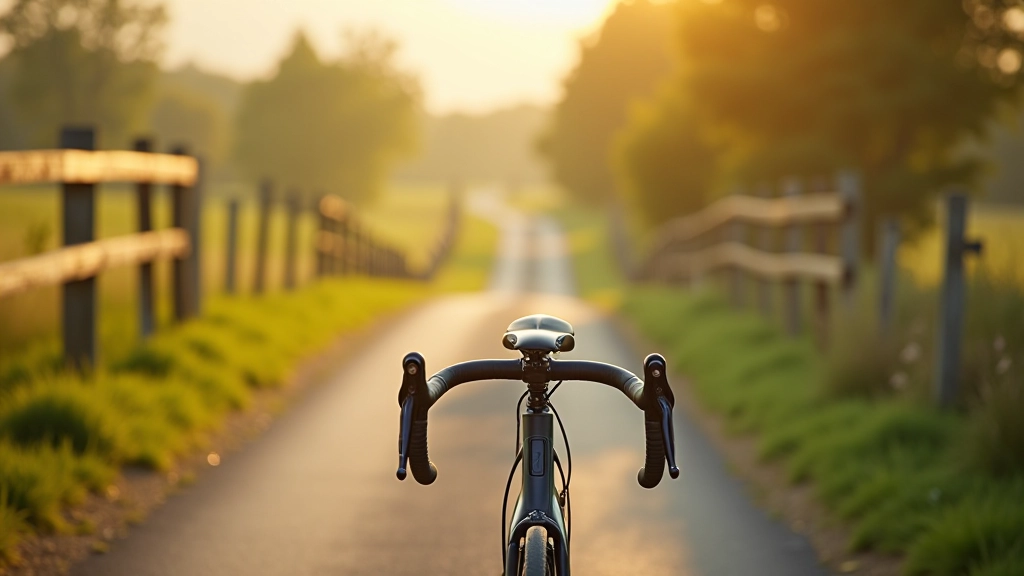
Bike geometry sounds technical, but it's really just about how the bike is shaped. A countryside bike should have a slightly more relaxed geometry than a racing bike. This means the angles are gentler, which puts you in a more upright position. Your back isn't bent in half. Your neck isn't craned downward for hours.
You'll see this described as "endurance geometry" or "comfort geometry" on most bike specs. The top tube is shorter relative to the seat tube, the head tube angle is slacker, and the wheelbase is longer. All of that adds up to a bike that's stable, forgiving, and doesn't demand perfect form on every single pedal stroke.
The handlebars should be relatively close to your seat height. If the bars are way down below the saddle, you're in racing position — fine for racing, but not what you want for 3-hour countryside tours. Many good countryside bikes come with either flat bars or drop bars positioned fairly high. Either works, depending on your preference.
Ideal Tire Width
28–35mm
Typical Frame Size Range
50–58cm
Comfortable Ride Distance
20–40km
Components That Actually Matter
You don't need expensive components. You need reliable ones that shift smoothly and stop predictably. That's it. Most mid-range bikes have perfectly good Shimano or Sram components that'll last for years without drama.
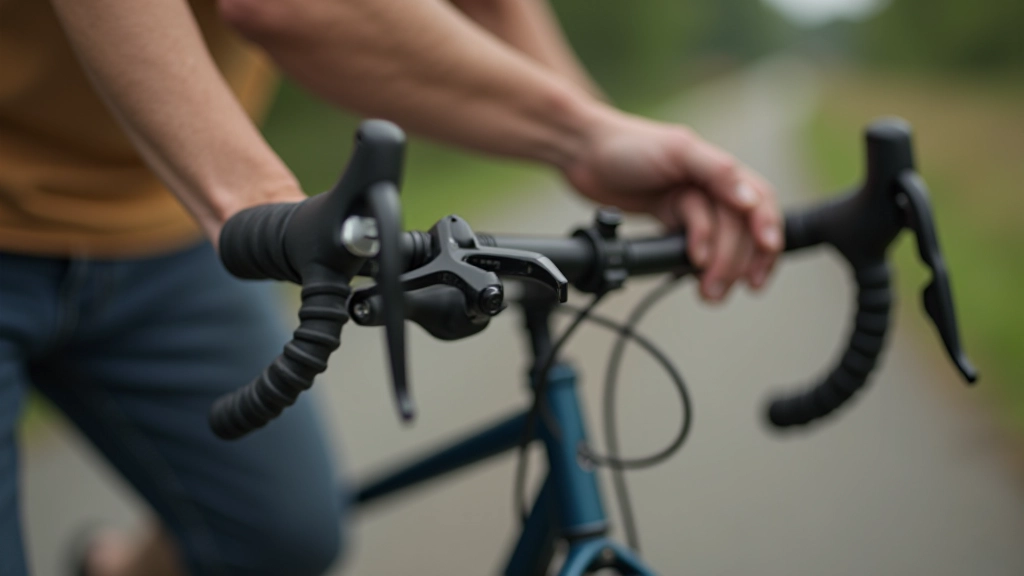
What you should check: Can you reach the brake levers comfortably? Do the shifters feel responsive when you test them? Is the chain clean and well-lubricated? These practical things matter more than the brand name. A 9-speed drivetrain is plenty for countryside cycling — you don't need 21 speeds. More gears just means more to maintain.
Brakes should be cable-actuated or hydraulic disc brakes. Both work fine on rural roads. Cable brakes are simpler and cheaper to maintain. Hydraulic discs are slightly more powerful but need occasional bleeding. Either way, you want brakes that don't squeal and don't require constant adjustment. Test them on a short ride before you commit.
The saddle is personal. What's comfortable for one person feels wrong for another. Most bikes come with a reasonable saddle, but you might need to swap it out after a few rides. Don't be stubborn about it — a saddle costs 30–80 euros, and comfort is non-negotiable on long rides.
Making Your Choice
You're looking for a bike that fits your body, handles rural roads well, and doesn't demand racing-bike fitness just to ride comfortably. That narrows things down quite a bit. You're probably looking at what shops call "hybrid" or "gravel" or "endurance road" bikes. They're not exotic or expensive. They're just practical.
Don't overthink it. Go to a local bike shop, try a few frames, ask questions, and pick the one that feels right. The best bike is the one you'll actually ride. And once you've got it dialed in with the right seat height, tire pressure, and handlebar position, you'll be amazed how far you can go on a quiet afternoon through the countryside.
Ready to plan your first countryside route? Check out our detailed guides to popular rides in the region.
Explore Routes
Related Articles